We think you're a bot, if not
please contact us
please contact us
info@LRLBuilders.Com
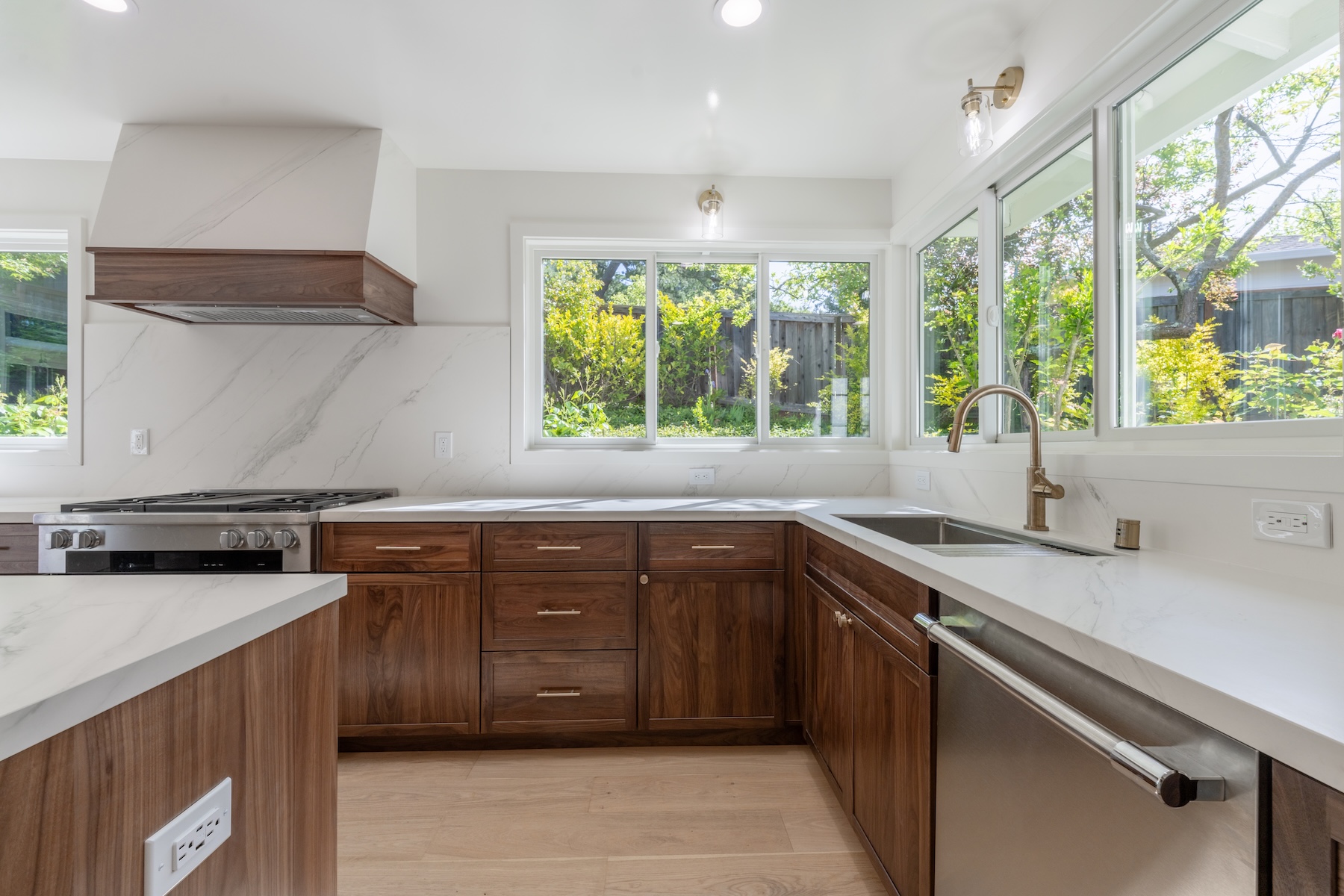
Most contractors will understand you either way. But the difference between a kitchen remodel and a kitchen renovation shows up in three places that cost you real money: your contract, your budget, and your appraisal.
There's also one place it doesn't show up, and that surprises almost everyone. More on that below.
A renovation updates what's already there. A remodel changes what's there.
If the sink, stove, and refrigerator end up exactly where they started, you're renovating. If any of them moves, or a wall does, you're remodeling.
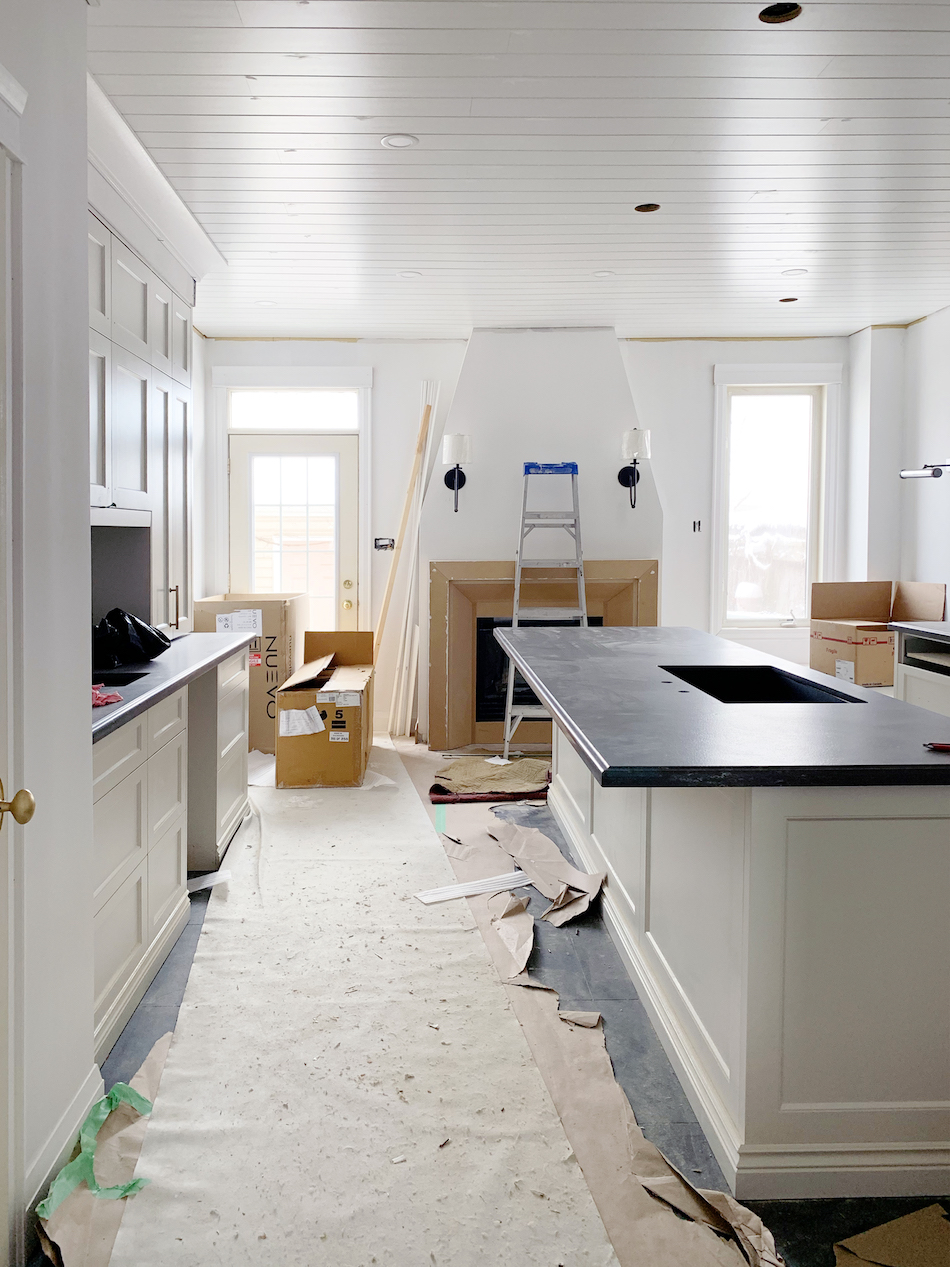
You're renovating if the work stays on the surface:
The plumbing stack, gas line, and electrical circuits stay where they are. That's what keeps the price down. Trades connect to what already exists rather than building it new.
You're remodeling the moment the kitchen's bones change:
Any one of these brings in a plumber, an electrician, and often a structural engineer. That's where the budget jumps, not on the cabinets.
Our kitchen remodeling team handles this end of the scale across the East Bay.
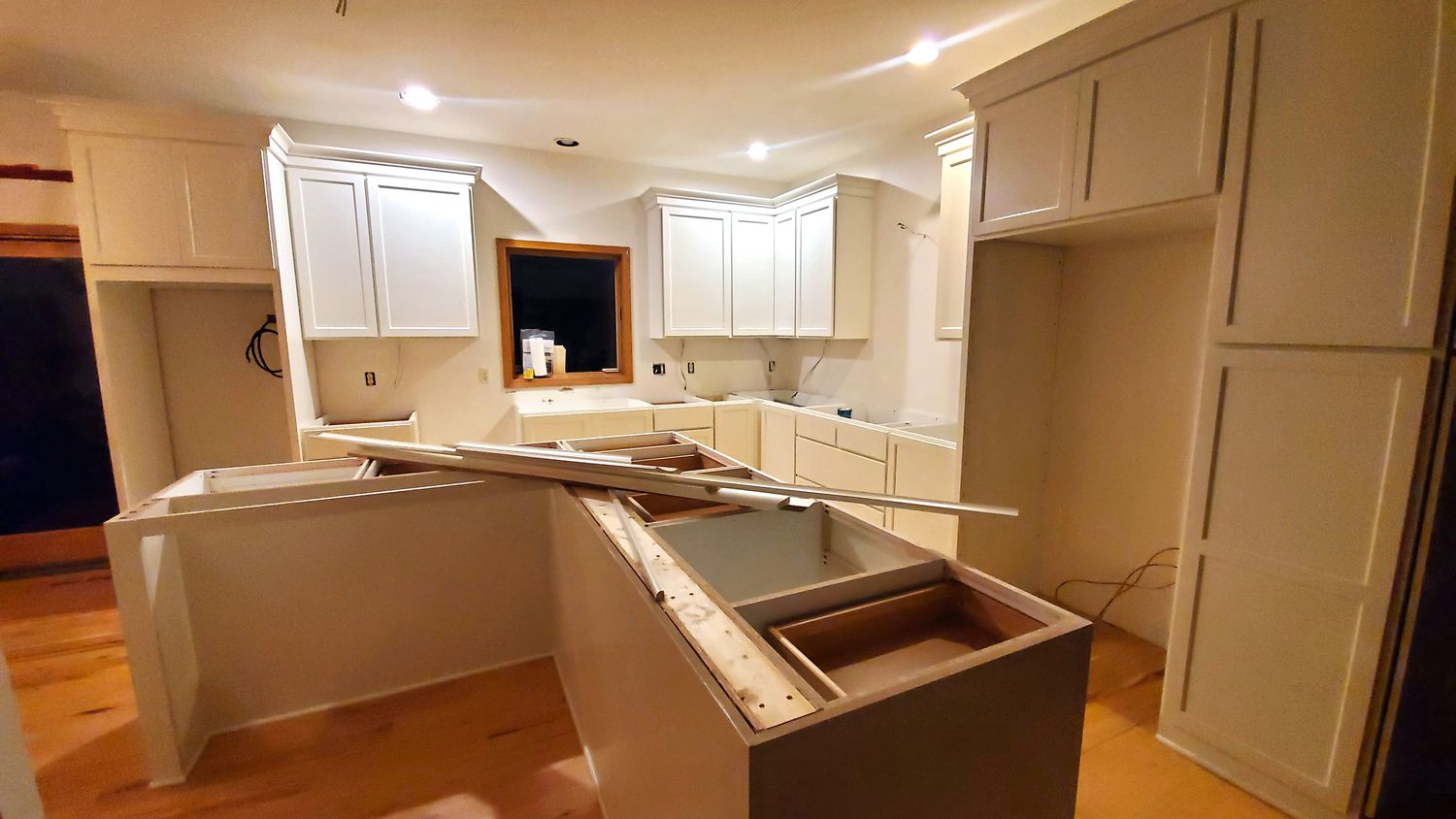
There's a tier below renovation, and for a lot of East Bay homeowners it's the right call.
A refresh is paint, cabinet hardware, a new faucet, and updated lighting. It averages around $8,000 and takes a week or two. If your kitchen works and it's only a few years out of style, a refresh buys most of the visual change for a fraction of the spend.
Don't let anyone sell you a remodel when a refresh solves the actual complaint. We covered where that money tends to disappear in the biggest waste of money in a kitchen remodel.
Four questions. Answer them honestly and you'll know which kind of project you're planning.
Here's the thing homeowners get wrong most often. They assume a renovation is the "no permit" version and a remodel is the "permit" version.
In Walnut Creek, that isn't how it works.
The city's own homeowner handout puts new upper cabinets, new lower cabinets, and cabinets and counters together squarely in building permit territory, with nothing moving at all. The reason is the wiring. Once cabinets come off the wall, the city wants the outlets behind them brought up to current safety standards.
Meanwhile, a new countertop on its own needs no permit, as long as the sink stays put.
So a straightforward renovation can require a building permit while a different renovation requires none. The permit line is drawn around what gets exposed and what gets connected, not around whether your layout changed. Remodels essentially always need permits. Renovations frequently do too.
We laid out the full Walnut Creek breakdown, job by job, in do I need a permit to remodel my kitchen in California, including how other East Bay cities differ and what happens if work was already done without one. Permit review is also usually the biggest variable in your schedule. See how long a kitchen remodel actually takes.
The short version: don't use "it's only a renovation" as a reason to skip the building department.
In the East Bay, a kitchen renovation that leaves the layout alone averages around $55,000. A full remodel with layout changes averages closer to $120,000.
Both are estimates for a typical East Bay kitchen. Labor rates here are among the highest in the country, and Contra Costa and Alameda County code compliance runs stricter than most of the market. Your number moves with kitchen size, finish level, and how much of the existing structure survives.
The return is where it gets interesting.
Zonda's 2025 Cost vs. Value Report, the 38th annual edition of the industry's benchmark ROI study, puts a minor kitchen remodel at a national average job cost of $28,458, adding $32,141 at resale. That's 112.9% recouped. It ranked fifth nationally and was the only interior project in the entire top five.
Read the fine print on what Zonda means by "minor," though: existing cabinet boxes kept, new fronts and hardware, new countertops, mid-range appliances, new flooring. No layout change. That's a renovation by any working definition.
Scale up and the percentage falls. Full remodels typically land in the 60 to 80 percent range, and Zonda's larger kitchen categories don't appear in its national top ten at all.
That doesn't make a remodel wrong. It makes it a lifestyle purchase. Spend six figures fixing a kitchen you cook in every day and you'll be glad you did. Spend it eight months before listing and you're funding the next owner's kitchen.
One guardrail: if your finished kitchen would run past roughly 15% of your home's value, look hard at comparable homes on your street first.
There are three moments where it comes back.
"Renovation" in a scope of work doesn't obligate a contractor to move anything. If you assumed the island was included and the contract says renovation, you'll pay for it as a change order at a worse rate.
Permitted work is inspected work, and it shows up on the record. Unpermitted work is one of the most common issues flagged during East Bay resales. It can stall financing, trigger a retroactive permit, or force a price reduction.
Undocumented electrical or plumbing work can complicate a claim if a failure traces back to it.
The most common budget blowout isn't a remodel that ran long. It's a renovation that quietly turned into one.
You open a wall for a new backsplash and find failed wiring. You pull cabinets and find a rotted subfloor under the dishwasher. Now you're in plan check on a job you scoped as cosmetic, and the timeline has doubled.
Much of the East Bay's housing stock is pre-1980, and knob-and-tube wiring still turns up in Berkeley, Oakland, and Piedmont homes.
Hold a 10 to 20 percent contingency on any kitchen project here, even a simple one. Budget for it once and the surprise is an inconvenience instead of a crisis.
Most homeowners come to us describing a remodel and leave with a renovation, or the other way around. A walkthrough sorts it out in under an hour, before you've committed to a budget or guessed wrong on a permit.
LRL Builders has been building and remodeling kitchens across the East Bay since 2007. Take a look at our recent kitchen projects in Orinda, Alameda, and Oakland, then book a free consultation or call (925) 905-9995.

A renovation, as long as the new cabinets go in the same configuration. Change the layout, add a run where none existed, or move plumbing to fit them, and it becomes a remodel. Note that in Walnut Creek, replacing cabinets requires a building permit either way.
A remodel, usually by two to three times. In the East Bay, renovations average around $55,000 and full remodels around $120,000. Layout changes bring in structural work, licensed trades, permits, and design fees that renovations avoid.
Often yes. Permits are triggered by what gets exposed and connected, not by whether your layout changed. In Walnut Creek, replacing cabinets requires a building permit even with nothing moving, while a countertop swap with the sink staying put does not. Check your specific scope with your city's building department.
Yes, and it's often smart. Just don't spend heavily on cabinets or countertops you plan to tear out in three years. Tell your contractor upfront so the interim work is planned around the eventual layout.
Dollar for dollar, the smaller project. Zonda's 2025 Cost vs. Value Report puts a minor kitchen remodel at 112.9% of cost recouped, the only interior project in its national top five. Full remodels typically return 60 to 80 percent. Remodel for how you live, not for resale.

We are a trusted and experienced General Contractor serving Walnut Creek, CA, and the East Bay Area.