1. Cabinets
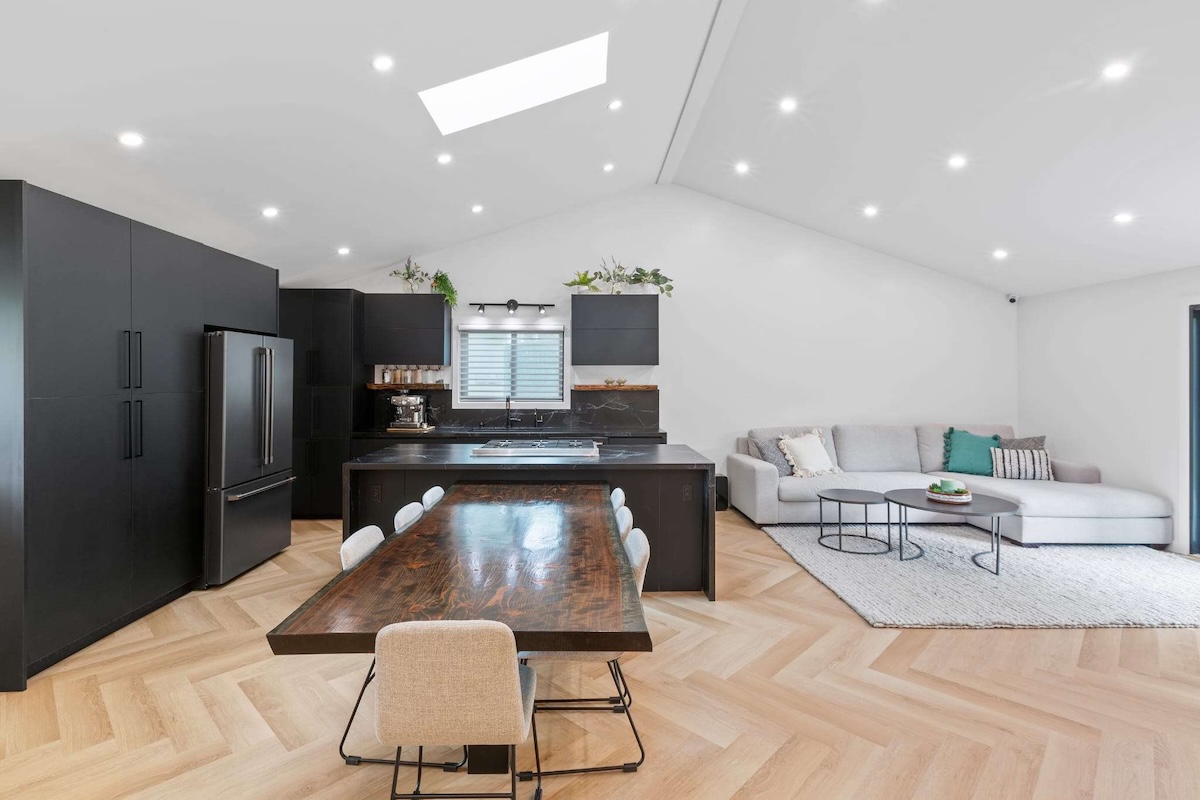
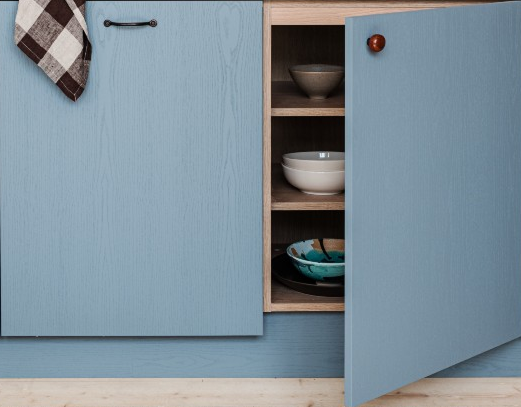
You open and close cabinets dozens of times every day. Choose durable construction, quality hinges, and practical storage rather than elaborate decorative details.


The biggest waste of money in a kitchen remodel is paying for upgrades that look impressive but don't change how you use the kitchen. Luxury appliances you'll never fully use, fully custom cabinetry in a standard-sized kitchen, and layout changes made after demolition begins are the fastest ways to lose five figures with nothing to show for it.
Most homeowners don't blow their kitchen renovation budget in one decision. They blow it in twelve small ones, each of which sounded reasonable at the time.
The pattern is predictable. The builder suggests premium countertops. The showroom recommends professional-grade appliances. The cabinet company offers full custom. Individually each sounds reasonable. Together they push kitchen remodeling costs up by tens of thousands of dollars.
Before approving any upgrade, ask one question: will this change how I use my kitchen every day, or does it just look good in the showroom?

A six-burner professional range runs $6,000–$12,000. A quality four-burner runs $1,200–$2,500 and cooks the same weeknight dinner. The same applies to smart refrigerators, the recipe screen goes unused by month three.
Try this: Count how many times last month you used more than two burners at once. Under five, and you're buying capacity you'll never touch.
Build your appliance package around habits, not marketing. A homeowner who bakes constantly and buys a strong oven paired with a modest range is spending better than one who buys a showpiece range and a builder-grade oven. Energy-efficient models keep paying you back on utility bills long after the kitchen renovation is finished.
Cabinetry is usually the single largest line item in a kitchen remodel, and this is where the biggest overspend hides.
Fully custom cabinets earn their price in three situations: non-standard dimensions, a wall that isn't square, or specialized storage you can't buy off the shelf. Everywhere else, semi-custom cabinets deliver the same door style, finish, and soft-close hardware for roughly half the cost.
If your cabinet boxes are structurally sound, cabinet refacing is often the largest single saving available on a kitchen renovation: a new look without replacing the boxes.
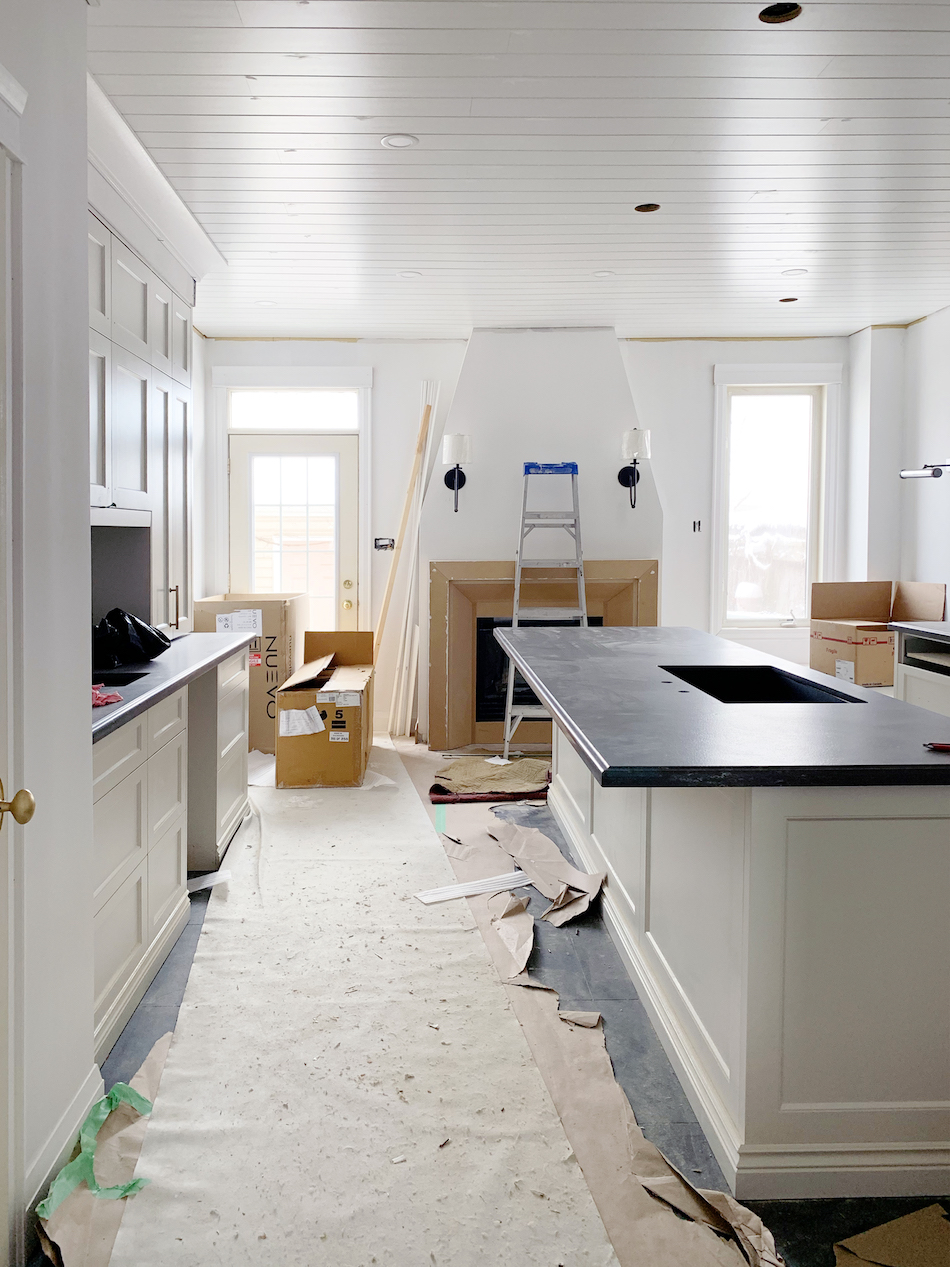
The most expensive kitchen remodeling mistake on this list has nothing to do with materials. Moving a sink three feet means relocating supply lines, drain and vent, then drywall, flooring patch, and possibly re-ordered cabinets. A change order that sounds like a small adjustment routinely lands in the thousands, plus weeks of delay.
Lock these before a single cabinet comes off the wall: kitchen layout, appliance specs, cabinet configuration, countertop material, flooring, lighting plan, backsplash, plumbing fixture locations, paint.
Practical tip: tape your layout onto the existing floor and live with it for a week. Walk the work triangle, refrigerator to sink to range, carrying something heavy. You'll find the problems in seven days that you'd otherwise find in month two.
Contractor insight: homeowners often discover a new idea partway through a remodel. Even a minor-sounding change becomes expensive once cabinets are on order and plumbing is roughed in. Design is the only stage where changing your mind is free.
If you're staying 10 or 15 years, you're the one who should enjoy the kitchen, not a buyer who may never see it. That doesn't mean ignoring resale value entirely. It means weighting decisions toward how your household actually cooks, then keeping the permanent finishes broadly appealing.
The mistake we see most often is paying for a feature purely because it supposedly adds resale value, a wine fridge in a household that doesn't drink wine, a double oven for a family that eats out five nights a week. Buyers price the kitchen as a whole. They don't pay a return on investment line by line for features nobody used.
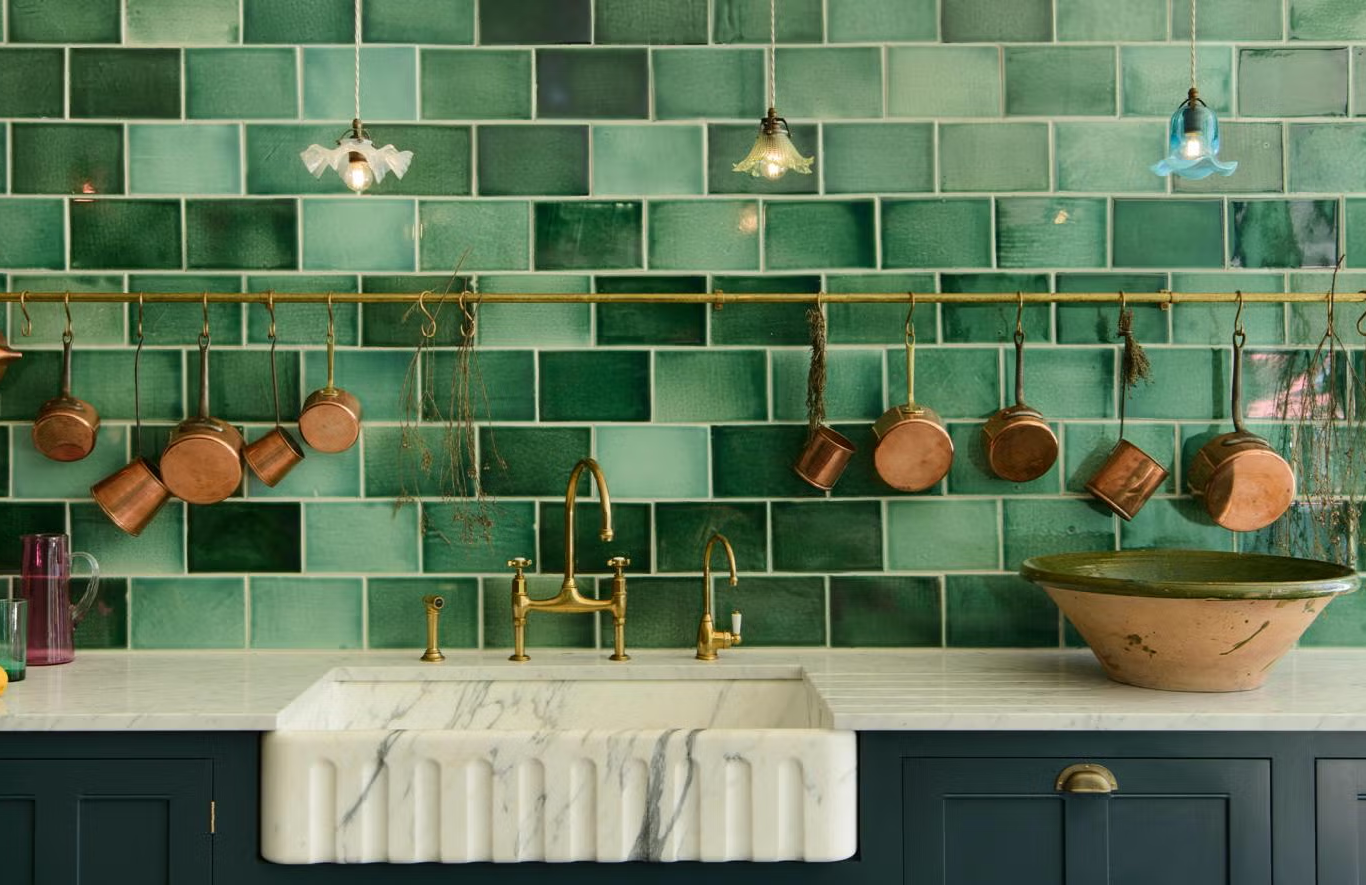
Deep navy cabinets, patterned backsplash tile, and full-wall open shelving all photograph beautifully and all date fast. Open shelving looks wonderful for about four months, until it's holding mismatched mugs and a layer of cooking grease.
The compromise that works: keep the permanent, expensive elements timeless: cabinets, quartz countertops, flooring. Put your personality in what you can swap in a weekend: hardware, pendant lights, paint, barstools. A change of taste in five years then costs hundreds instead of tens of thousands.
The most common regret after a kitchen remodel isn't a countertop color. It's "I still have nowhere to put things."
Storage upgrades worth the money: pull-out pantry shelves, deep drawers for pots and pans, soft-close hardware, spice organizers, pull-out trash and recycling, vertical tray dividers, utensil inserts, and a corner cabinet solution that actually uses the corner.
The single highest-impact swap is deep drawers instead of lower cabinets. Same footprint, same cost bracket, but you stop kneeling on the floor reaching into a dark box for a pot lid.
Pro tip: before adding cabinets, look at what you own. Most homeowners find usable space just by clearing out cookware they haven't touched in years.
Cheap flooring scratches. Cheap paint needs touch-ups. Inexpensive plumbing fixtures leak years before better ones. But the most expensive option rarely earns its premium either; mid-range materials are usually the sweet spot for durability and daily performance.
Worth investing in: quartz countertops, durable flooring, quality plumbing fixtures, reliable cabinet hardware (hinges and drawer slides fail first on cheap cabinetry), washable paint, and energy-efficient appliances.
Where you can safely economize: backsplash tile, knobs and pulls, light fixtures, and paint color. These are visible but replaceable; swapping them costs a weekend rather than a demolition.
The lowest bid is often the least complete bid. Missing allowances for electrical, permits or disposal don't make a kitchen remodel cheaper, they move the cost to a change order you sign under pressure in week four.
When comparing quotes, confirm each scope of work includes: permits, demolition and disposal, electrical and plumbing upgrades, and named material allowances. If two bids are far apart, one of those four is usually missing.
Ask any general contractor for references from kitchens finished 18+ months ago, not last month. Recent clients are still delighted. Clients from two years back know whether the drawers still close properly. Confirm licensing and insurance before signing anything.
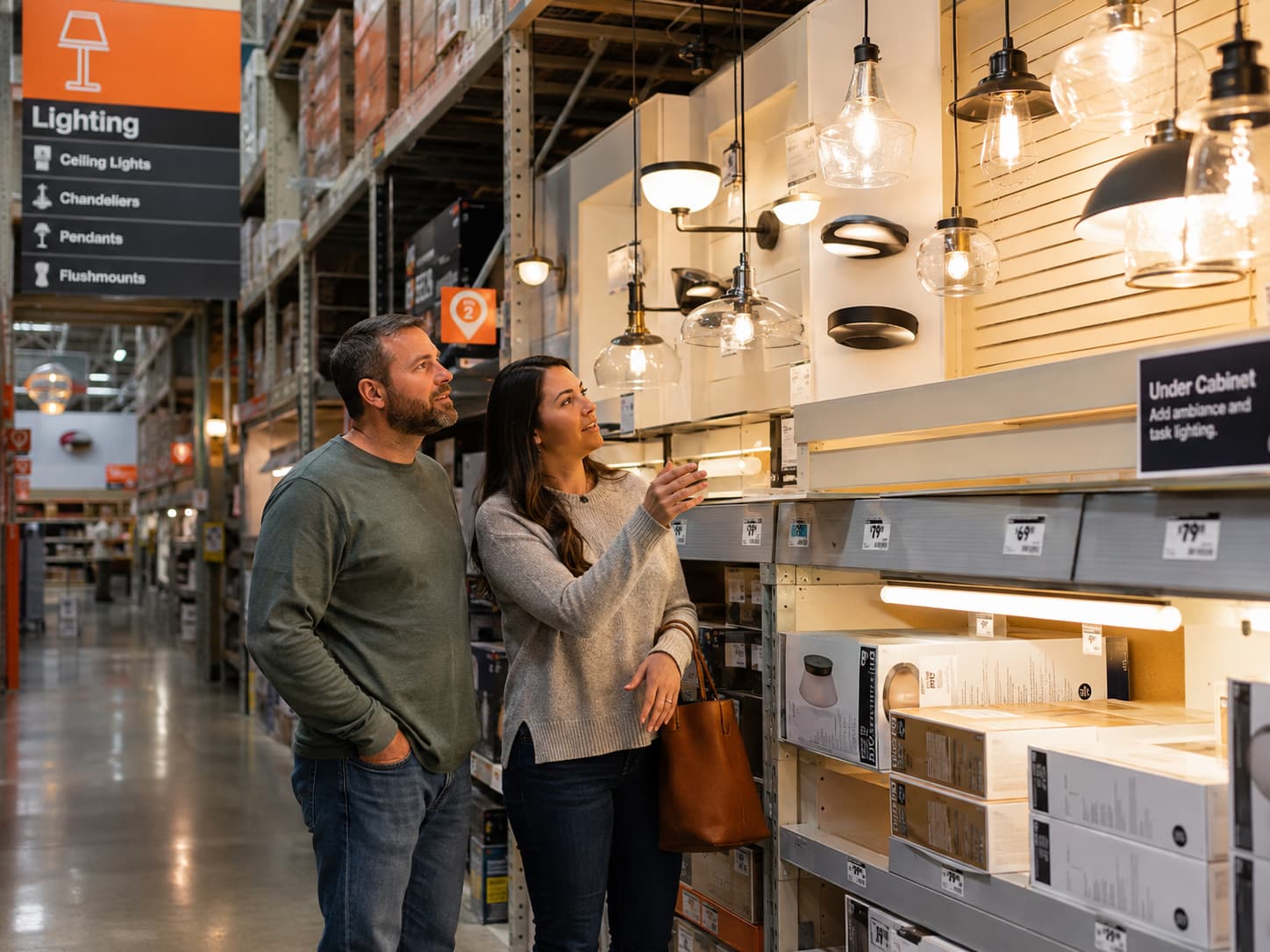
Homeowners will spend $18,000 on cabinets and leave a single ceiling fixture from 1994 in place, then wonder why the finished kitchen feels dim and cramped.
Layered lighting costs a fraction of cabinetry and transforms the room: recessed ceiling lights, under-cabinet task lighting, pendant lights over the kitchen island, and dimmers throughout.
Under-cabinet lighting is the upgrade homeowners are most surprised by. It costs comparatively little and it's the difference between chopping in your own shadow and actually seeing the counter.
Contractor insight: install more GFCI outlets than you think you need, including two in the island. It's a small expense during construction and a significant one once the drywall is closed.
Most budgets cover what you can see, cabinets, countertops, flooring, appliances, and nothing happening behind the walls.
Hidden costs include permit fees, electrical panel upgrades, plumbing repairs, drywall, range hood ventilation, structural work, water damage, and disposal.
Set aside 10–20% of your kitchen remodeling budget as a contingency fund. If you don't need it, you've got an upgrade fund.
In older homes, the common surprises are outdated wiring that can't carry a modern kitchen load, galvanized supply lines that need replacing once disturbed, and subfloor damage hidden under old flooring. None are avoidable. All are budgetable.
Remember, an upgrade isn't a waste simply because it's expensive. If it genuinely improves your lifestyle and fits your budget, it may be worth every dollar. The goal is to avoid paying premium prices for features you'll rarely use.
If you're wondering where your remodeling budget should go, prioritize the items you interact with every day.
You open and close cabinets dozens of times every day. Choose durable construction, quality hinges, and practical storage rather than elaborate decorative details.
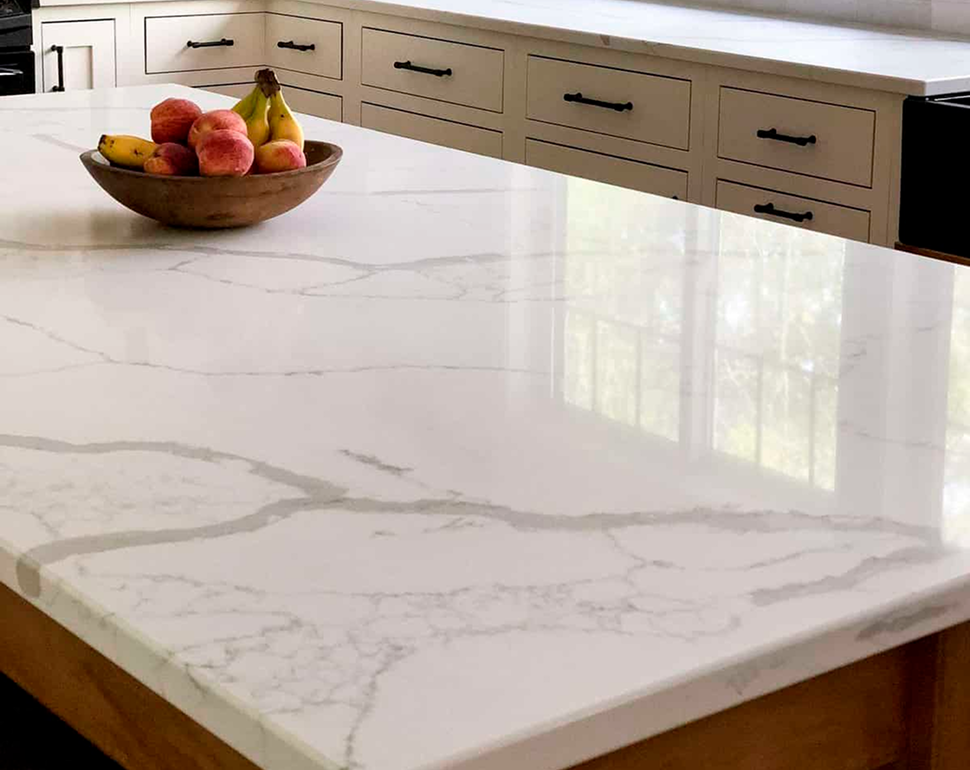
Quartz countertops remain one of the most popular choices because they’re durable, attractive, and require very little maintenance.
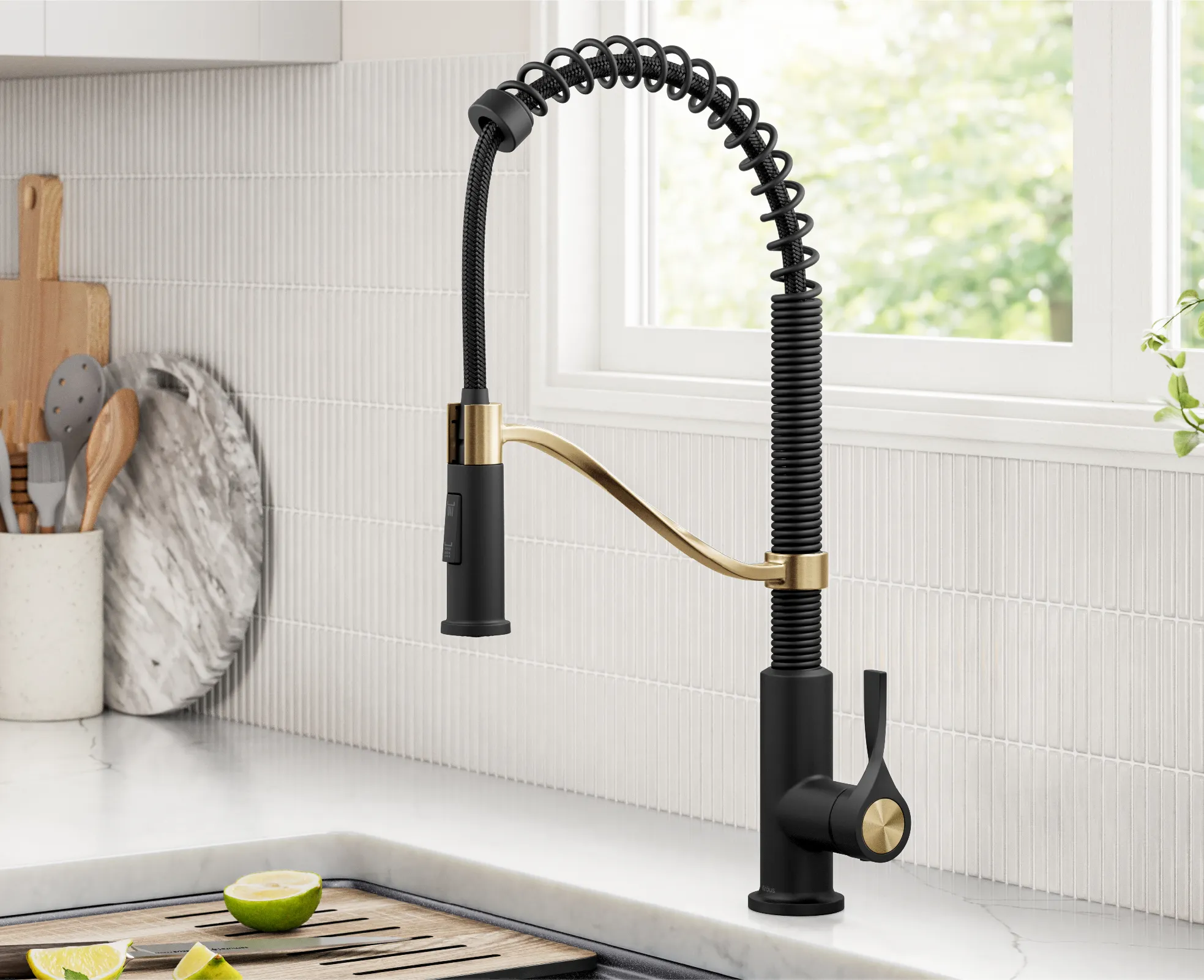
These are among the hardest-working fixtures in any kitchen. Investing in quality plumbing fixtures improves both durability and everyday convenience.
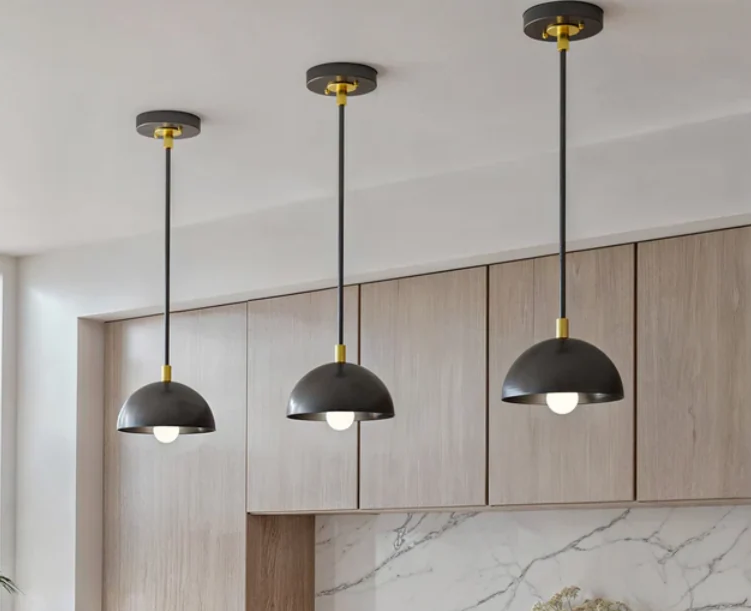
A well-lit kitchen is safer, more comfortable, and visually appealing. Layered lighting often makes a bigger difference than expensive decorative finishes.
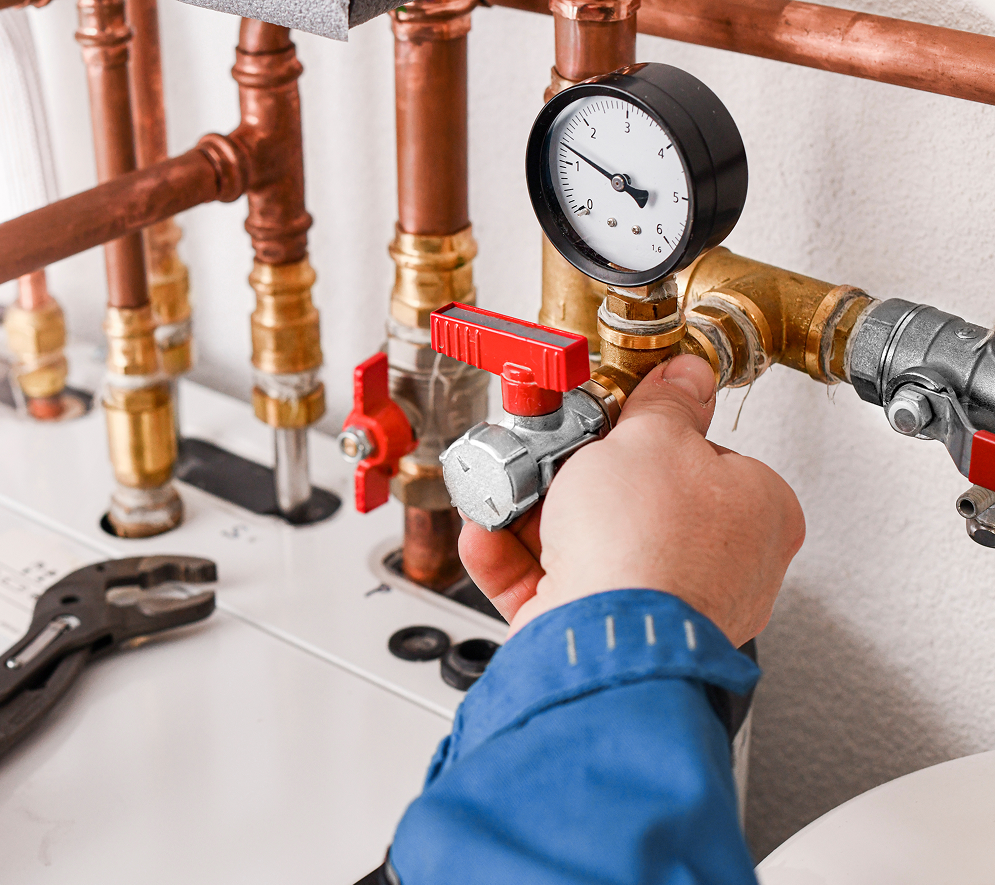
Even premium materials won’t perform well if they’re installed incorrectly. Proper installation protects your investment and helps your kitchen last for years.
Local conditions change the math. Homes built before 1970 across Berkeley, Alameda and Walnut Creek frequently need electrical panel upgrades to carry a modern kitchen load, and permit requirements vary meaningfully between jurisdictions.
Build permit and inspection timelines into your schedule from day one, and work with a remodeling contractor who has pulled permits in your specific city recently. That's often the difference between a three-week and an eight-week approval.
Kitchen remodels that stay within the existing footprint are the simplest path through plan review. The moment you move plumbing, alter a load-bearing wall, or upgrade the panel, the scope widens and the timeline extends. If your schedule is tight, that decision matters more than any material you'll choose.
The biggest waste of money in a kitchen remodel isn't one appliance or one material. It's spending your budget on things that don't change how the kitchen works.
Set a realistic number, finalize the kitchen layout before demolition, and put your money into what you touch every day, cabinets that hold what you own, countertops that survive real use, and light you can actually cook under

The biggest waste of money is spending on upgrades that don't improve functionality or provide long-term value. Examples include unnecessary luxury appliances, fully custom cabinets for standard kitchens, changing the layout during construction, and trendy features that quickly go out of style.
Kitchen upgrades with the best ROI often include quartz countertops, quality cabinets, energy-efficient appliances, improved lighting, functional storage, and a well-designed kitchen layout.
Custom cabinets are worth considering for kitchens with unusual layouts or homeowners who need specialized storage. For most standard kitchens, stock or semi-custom cabinets provide excellent quality and value at a lower cost.
If your existing cabinet boxes are in good condition, cabinet refacing can dramatically improve your kitchen's appearance while costing much less than a full cabinet replacement.
Keep your existing layout, choose quality mid-range materials, compare contractor estimates, avoid unnecessary luxury upgrades, and create a detailed remodeling plan before construction begins.
Avoid spending heavily on features you'll rarely use, such as oversized professional ranges, smart refrigerators with entertainment screens, excessive custom cabinetry, and design trends that may quickly become outdated.
If you plan to stay in your home for several years, prioritize your family's needs and daily routine. If you're planning to sell soon, focus on practical, timeless upgrades that appeal to a wide range of buyers rather than highly personalized features.
Kitchen remodel costs vary depending on size, materials, and project scope. A minor update may cost less, while a full renovation with new cabinets, countertops, appliances, and layout changes requires a larger investment. The best approach is to create a realistic budget and prioritize upgrades that provide the most value.

We are a trusted and experienced General Contractor serving Walnut Creek, CA, and the East Bay Area.