We think you're a bot, if not
please contact us
please contact us
info@LRLBuilders.Com
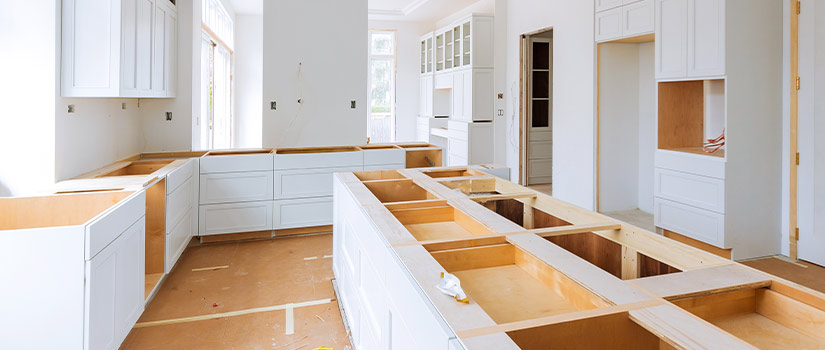
A kitchen remodel is one of the biggest investments you can make in your home. A well-designed kitchen improves daily life, adds functionality, and can increase your home's resale value. However, without proper planning, renovation costs can quickly get out of control.
The biggest waste of money in a kitchen remodel is spending on upgrades that look impressive but do not improve functionality or provide long-term value. Expensive appliances, unnecessary custom cabinets, changing the layout during construction, and following short-term trends are some of the most common kitchen remodeling mistakes that lead to overspending.
The best kitchen renovations focus on smart planning, quality materials, and features that improve how you use the space every day.
At LRL Builders, we have seen how small planning decisions can make a major difference in the cost and success of a kitchen remodel. By focusing on practical upgrades and making important decisions before construction begins, homeowners can avoid costly changes and create a kitchen that delivers lasting value.
Many homeowners begin their renovation with a realistic budget. Then, little by little, they start upgrading everything.
The builder suggests premium countertops. The appliance showroom recommends professional-grade appliances. The cabinet company offers fully custom cabinetry. The lighting store showcases designer fixtures.
Individually, each upgrade may seem reasonable. Together, they can increase your kitchen remodeling costs by tens of thousands of dollars.
From our experience, the homeowners who are happiest with their finished kitchens aren't necessarily the ones who spent the most. They're the ones who carefully planned their renovation, invested in features they use every day, and avoided paying for upgrades that added little practical value.
Before you spend more, ask yourself one simple question: Will this upgrade make my kitchen more functional, or is it simply something that looks impressive? That question alone can save you thousands of dollars.
There isn't one universal answer because every homeowner has different priorities. However, the biggest waste of money usually falls into one of these categories:
The goal isn't to spend as little as possible—it's to spend wisely.

Luxury kitchen appliances are often one of the largest expenses in a kitchen remodel. Walk into any appliance showroom, and you'll find refrigerators with touchscreens, built-in coffee systems, steam ovens, warming drawers, and commercial-style ranges with six or eight burners.
These products certainly look impressive, but many homeowners end up paying for features they rarely use. Unless you're an avid cook who prepares elaborate meals every day, a professional-grade range probably won't make your cooking experience significantly better than a quality mid-range model.
The same is true for many smart appliances. A refrigerator that plays music, displays recipes, or lets you check the contents from your phone may sound convenient, but those features rarely improve your day-to-day cooking.
Instead of choosing appliances based on appearance or brand reputation, think about how you actually use your kitchen.
For example:
Pro Tip: Spend more on the appliance you use the most. If you love baking, invest in a quality oven. If you entertain frequently, a larger refrigerator may be worthwhile. Buy based on your lifestyle—not marketing.
Cabinets are often the single biggest expense in a kitchen renovation. Many homeowners automatically assume custom cabinetry is the best option. While custom cabinets have their place, they aren't necessary for every project.
If your kitchen has a fairly standard layout, stock cabinets or semi-custom cabinets can provide nearly the same appearance and functionality at a much lower cost. Today's cabinet manufacturers offer a wide range of styles, colors, finishes, and storage solutions that suit most homes.
For many homeowners with standard kitchen layouts, semi-custom cabinets can provide similar functionality, quality, and appearance at a lower cost compared to fully custom cabinetry. Custom cabinets are most valuable when you need unique dimensions, specialized storage, or a highly personalized design.
Instead of paying extra for fully custom cabinetry, consider investing in features you'll appreciate every day:
These upgrades improve functionality without dramatically increasing your remodeling budget.
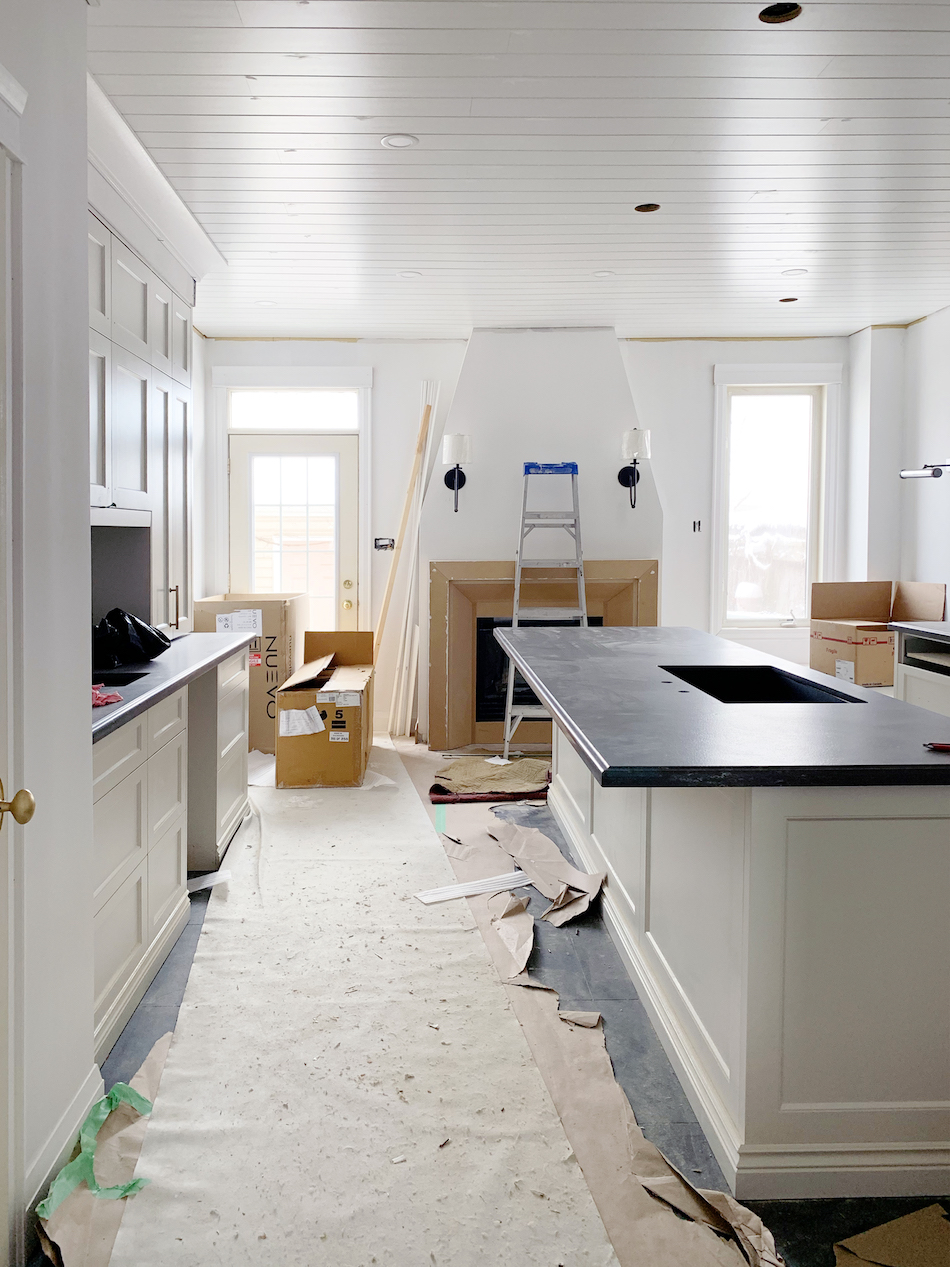
One of the most expensive kitchen renovation mistakes has nothing to do with materials. It's changing your mind after work has already started. Moving the sink, relocating the stove, changing the kitchen island, or redesigning the cabinet layout midway through construction can create a domino effect of additional expenses.
Suddenly, the contractor needs to move plumbing, electrical wiring, flooring, drywall, and ventilation systems. What seemed like a small change can easily add thousands of dollars in labor costs and delay the project for weeks.
Before the first cabinet is removed, finalize:
Spending extra time planning before construction begins is one of the easiest ways to control your kitchen remodeling costs.
Contractor Insight: We often see homeowners discover a new design idea halfway through a remodel. While the change may seem minor, ordering new cabinets or relocating plumbing after materials have been purchased can significantly increase both labor and material costs.
Many homeowners design their kitchen around what they think future buyers will want. While resale value is important, remember this: If you're planning to stay in your home for the next 10 or 15 years, you're the one who should enjoy the kitchen—not a buyer who may never see it.
This doesn't mean ignoring resale value completely. Instead, strike a balance between personal comfort and broad market appeal.
Choose timeless finishes, quality materials, and practical layouts rather than following every design trend you see online. A kitchen designed around your family's daily routine will almost always provide more satisfaction than one designed solely to impress potential buyers.
Kitchen design trends come and go. A style that's everywhere today may feel outdated just a few years later. Some trends that can quickly lose their appeal include:
Instead of chasing trends, focus on timeless design choices. Neutral cabinet colors, quartz countertops, quality flooring, durable plumbing fixtures, and classic lighting create a kitchen that remains attractive for years. When in doubt, prioritize durability and functionality over novelty.

One of the biggest regrets homeowners have after a kitchen remodel isn't choosing the wrong countertop color or backsplash. It's realizing they still don't have enough storage.
A beautiful kitchen quickly becomes frustrating if countertops are constantly cluttered with small appliances, cookware, and pantry items.
Instead of spending thousands on decorative upgrades, invest in storage solutions that make your kitchen easier to use every day.
These upgrades improve functionality every day and often provide a better return on investment (ROI) than purely decorative features.
Pro Tip: Before adding more cabinets, look at what you already own. Many homeowners discover they can create more usable space simply by decluttering rarely used cookware, gadgets, and dishes.
Everyone wants to save money during a kitchen renovation, but choosing the cheapest materials can become expensive in the long run. Low-quality flooring may scratch or wear out quickly. Cheap paint may require frequent touch-ups. Inexpensive plumbing fixtures can leak or fail long before higher-quality alternatives.
That doesn't mean you should buy the most expensive option either. The sweet spot is usually mid-range materials that offer durability, attractive finishes, and dependable performance without the luxury price tag.
These upgrades continue adding value long after your remodel is complete.
Another common kitchen remodeling mistake is choosing a contractor based solely on price. A low estimate may sound appealing, but it doesn't always represent the best value.
An inexperienced contractor may:
Instead of focusing only on price, compare contractors based on:
A qualified contractor helps prevent expensive mistakes and ensures quality craftsmanship from start to finish.

Lighting is one of the most overlooked parts of kitchen design. Many homeowners spend thousands on cabinets and countertops while leaving outdated lighting in place. The result? Even a beautiful kitchen can feel dark, cramped, or difficult to work in. Good kitchen lighting combines several layers.
These improvements make cooking safer, improve visibility, and enhance the overall appearance of your kitchen.
Contractor Insight: We often recommend installing more outlets than homeowners think they'll need. It's a relatively small expense during construction but much harder and more expensive to add later.
Many homeowners create a budget based only on visible materials. They calculate cabinets, countertops, flooring, and appliances—but forget about everything happening behind the walls.
Hidden costs can include:
These expenses are common during home renovation projects. For that reason, remodeling professionals typically recommend setting aside 10–20% of your remodeling budget as a contingency fund. Having this financial cushion helps prevent stress if unexpected issues arise.
Remember, an upgrade isn't a waste simply because it's expensive. If it genuinely improves your lifestyle and fits your budget, it may be worth every dollar. The goal is to avoid paying premium prices for features you'll rarely use.
If you're wondering where your remodeling budget should go, prioritize the items you interact with every day.
You open and close cabinets dozens of times every day. Choose durable construction, quality hinges, and practical storage rather than elaborate decorative details.
Quartz countertops remain one of the most popular choices because they're durable, attractive, and require very little maintenance.
These are among the hardest-working fixtures in any kitchen. Investing in quality plumbing fixtures improves both durability and everyday convenience.
A well-lit kitchen is safer, more comfortable, and visually appealing. Layered lighting often makes a bigger difference than expensive decorative finishes.
Even premium materials won't perform well if they're installed incorrectly. Proper installation protects your investment and helps your kitchen last for years.
Keeping your project on budget doesn't mean sacrificing quality.
These simple strategies can help reduce kitchen remodeling costs without compromising the finished result.
Careful renovation planning almost always saves more money than cutting corners.
A beautiful kitchen should also make everyday life easier.
Before approving any upgrade, ask yourself these questions:
These questions can help you make smarter decisions and avoid costly remodeling mistakes.
Kitchen remodeling projects in the Bay Area often come with unique challenges, especially in older homes where outdated layouts, plumbing, electrical systems, and building requirements can affect the renovation process.
Before starting a kitchen remodel, homeowners should consider:
Proper planning with an experienced remodeling contractor can help identify potential problems early and prevent unexpected costs during construction.
The biggest waste of money when doing a kitchen remodel isn't buying one specific appliance or choosing one particular material. It's spending your budget on features that don't improve how your kitchen functions or add lasting value.
The most successful kitchen renovations are built around thoughtful planning, practical design, and quality craftsmanship—not the latest trends or the highest price tags.
From our experience, homeowners are happiest with their remodel when they invest in features they use every day, such as durable cabinets, functional storage, quality countertops, efficient lighting, and reliable appliances. These upgrades continue delivering value long after the renovation is complete.
On the other hand, luxury gadgets, unnecessary customizations, and last-minute design changes often increase costs without providing meaningful benefits.
If you're planning a kitchen remodel, start with a realistic budget, finalize your layout before construction begins, and prioritize improvements that fit your lifestyle rather than following every trend.
A well-planned kitchen doesn't have to be the most expensive room in your home—it simply needs to work beautifully for the people who use it every day.

The biggest waste of money is spending on upgrades that don't improve functionality or provide long-term value. Examples include unnecessary luxury appliances, fully custom cabinets for standard kitchens, changing the layout during construction, and trendy features that quickly go out of style.
Kitchen upgrades with the best ROI often include quartz countertops, quality cabinets, energy-efficient appliances, improved lighting, functional storage, and a well-designed kitchen layout.
Custom cabinets are worth considering for kitchens with unusual layouts or homeowners who need specialized storage. For most standard kitchens, stock or semi-custom cabinets provide excellent quality and value at a lower cost.
If your existing cabinet boxes are in good condition, cabinet refacing can dramatically improve your kitchen's appearance while costing much less than a full cabinet replacement.
Keep your existing layout, choose quality mid-range materials, compare contractor estimates, avoid unnecessary luxury upgrades, and create a detailed remodeling plan before construction begins.
Avoid spending heavily on features you'll rarely use, such as oversized professional ranges, smart refrigerators with entertainment screens, excessive custom cabinetry, and design trends that may quickly become outdated.
If you plan to stay in your home for several years, prioritize your family's needs and daily routine. If you're planning to sell soon, focus on practical, timeless upgrades that appeal to a wide range of buyers rather than highly personalized features.
Kitchen remodel costs vary depending on size, materials, and project scope. A minor update may cost less, while a full renovation with new cabinets, countertops, appliances, and layout changes requires a larger investment. The best approach is to create a realistic budget and prioritize upgrades that provide the most value.

We are a trusted and experienced General Contractor serving Walnut Creek, CA, and the East Bay Area.