We think you're a bot, if not
please contact us
please contact us
info@LRLBuilders.Com
.jpg)
Your kitchen is the most used room in your home. It's where mornings start, meals are made, and conversations happen naturally. So when it stops working for your life — whether it's a cramped layout, outdated finishes, or appliances from another era — every single day feels a little harder than it should. A kitchen remodel fixes that. But beyond looks, the benefits of kitchen remodeling go much deeper than a fresh coat of paint.
One of the biggest — and most underrated — benefits of kitchen remodeling is solving problems you've learned to live with. An awkward layout that forces you to walk around an island to reach the stove. Cabinets that can't open when someone's standing at the refrigerator. Countertops that are always cluttered because there simply isn't enough prep space.
A well-planned kitchen renovation corrects these pain points by redesigning around how you actually use the space. Good kitchen layout improvement means applying concepts like the work triangle — the relationship between your sink, stove, and refrigerator — so each area is within logical reach without crossing traffic.
Common kitchen functionality upgrades homeowners prioritize:
Better space optimization means less friction in your daily routine. When your kitchen is designed around you, cooking becomes something you actually look forward to — not something you tolerate.
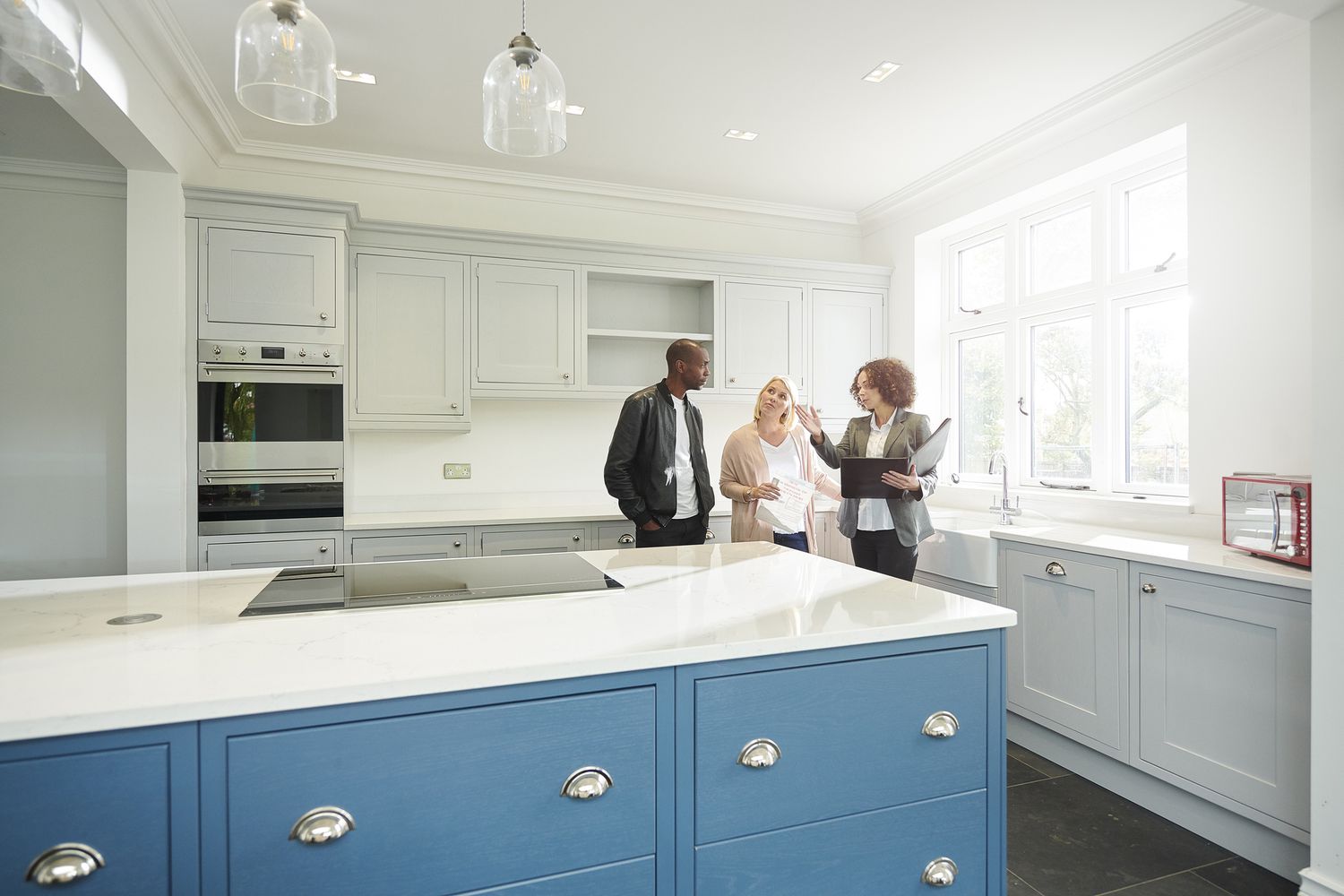
If you're asking whether a kitchen remodel is worth the money, the data makes a strong case. The kitchen is consistently ranked as the number one room home buyers evaluate during tours. An updated kitchen doesn't just look good — it signals that the home has been maintained and improved over time.
According to industry data, homeowners typically recoup between 70% and 80% of their kitchen remodeling cost when they sell. Homes with renovated kitchens also sell faster and attract stronger offers than comparable homes with outdated kitchens. In competitive real estate markets, an updated kitchen can be the deciding factor for buyers choosing between two similar homes.
A professional house buyer and flipper put it bluntly: "Outdated kitchens will make buyers run for the hills. It's a room that's highly worth investing in." — Alex Capozzolo, Brotherly Love Real Estate
The property resale value gains come from specific upgrades. Quartz countertops, energy-efficient appliances, modern cabinetry, and updated lighting improvements are among the highest-ROI elements of any kitchen renovation. Even budget kitchen renovation tips — like replacing cabinet hardware or adding a new backsplash — can meaningfully shift buyer perception without a full gut renovation.
Older kitchens are quietly expensive. Appliances manufactured more than 15 to 20 years ago weren't built with today's energy standards in mind. They draw more electricity, consume more water, and cost you money every month without you realizing it.
A kitchen remodel gives you a logical window to upgrade to modern appliances, low-flow plumbing fixtures, and LED lighting — all of which contribute to measurable energy efficiency improvements. Upgrading appliances alone can reduce your household energy usage by 20 to 40 percent. Add LED lighting under cabinets and in overhead fixtures, and the savings compound further over time.
Energy-saving kitchen remodeling ideas to consider:
Beyond utility savings, these ventilation improvements and plumbing upgrades protect your home from the kind of moisture damage and mold problems that turn into expensive repairs down the road. The durability of materials matters here too — investing in quality products now means fewer replacements later.
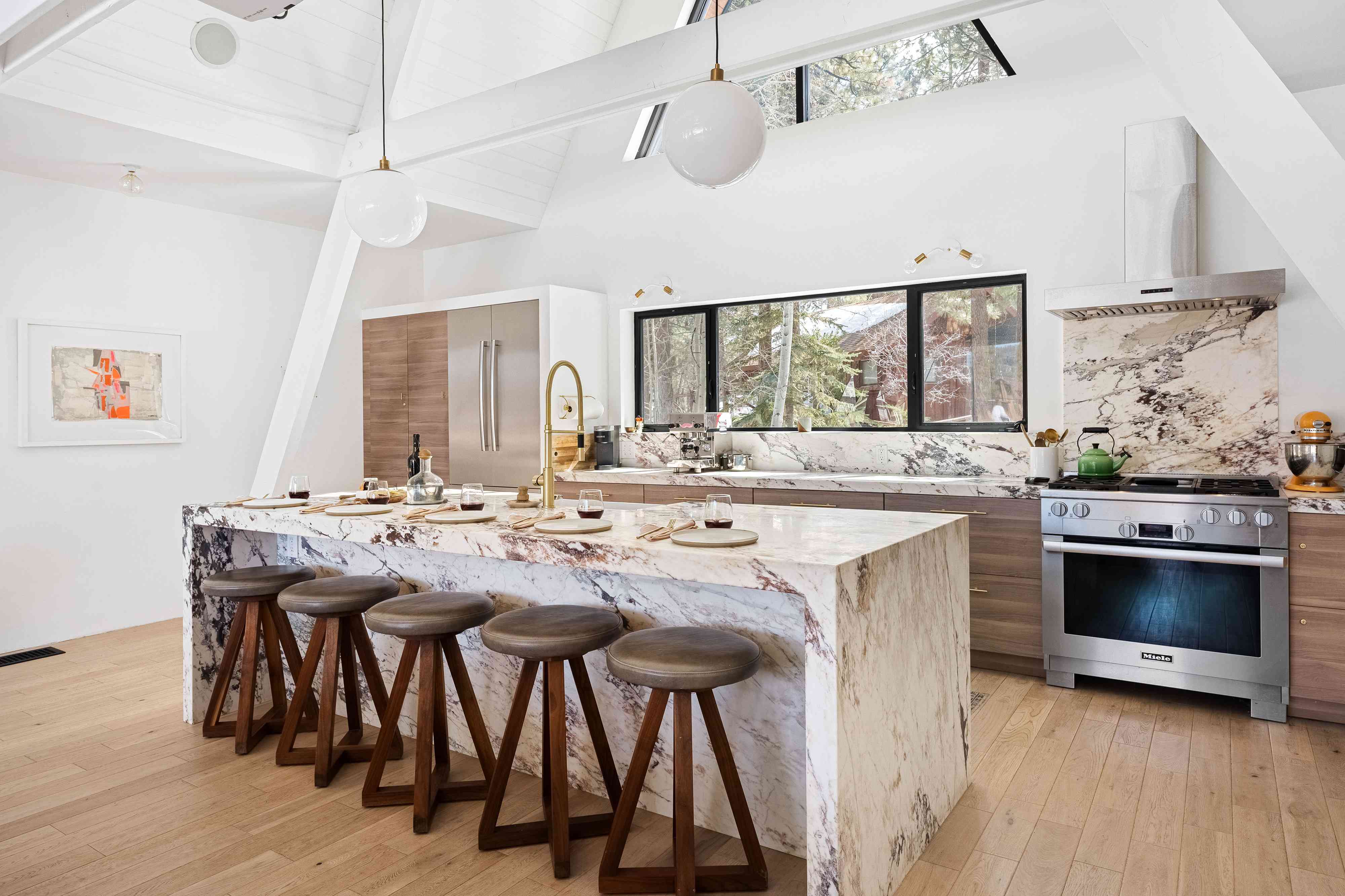
An outdated kitchen doesn't just feel inconvenient — it can genuinely dampen how you feel about being in your own home. One of the most personal advantages of kitchen renovation is the opportunity to build a space that actually reflects who you are. Your color palette, your cabinet style, your hardware choices — these decisions add up to a kitchen that feels distinctly yours.
Modern kitchen renovation benefits go well beyond surface-level aesthetics. Today's design options are more durable and practical than ever. Quartz countertops resist staining and scratching. Cabinet finishes are designed to hold up to daily wear. Backsplash materials are easy to clean and maintain. This is an interior design upgrade that looks great on day one and holds up for years afterward.
Popular kitchen upgrade choices that balance style and function:
When you love how your kitchen looks, you use it more. You cook more. You invite people over more. The cooking experience enhancement isn't just about the appliances — it's about how the space makes you feel from the moment you walk in.
Kitchens accumulate risk over time. Worn flooring becomes a slip hazard. Poor lighting makes it hard to see what you're cutting. Inadequate ventilation creates air quality issues. A kitchen renovation gives you the chance to correct these problems systematically — not just patch them.
For families with young children or aging adults, safety-driven kitchen remodeling ideas — like non-slip flooring, pull-out shelves at accessible heights, and improved task lighting — can make the kitchen significantly safer to use every day. These aren't luxury additions; they're practical improvements that protect the people living in your home.
Smart kitchen features are increasingly becoming standard in modern renovations. Touchless faucets, voice-activated lighting, smart ovens with remote monitoring, and integrated ventilation systems are all practical technologies that make your kitchen easier to use — and more hygienic. These home improvement kitchen remodel upgrades add real utility, not just novelty.
One of the most common concerns homeowners have is whether the kitchen remodeling cost is justified. The honest answer: it depends on the scope of the project and your goals. A minor refresh — new hardware, fresh paint, updated fixtures — can cost a few thousand dollars and still meaningfully shift how your kitchen feels. A full kitchen renovation with new cabinetry, countertops, and appliances is a larger investment, but one with both functional and financial returns.
Industry data consistently supports kitchen renovation as one of the highest-return home improvement projects. On the financial side, a mid-range kitchen remodel typically returns 70–80% of its cost at sale. On the quality-of-life side, the return is immediate — every meal you cook and every conversation you have in that space reflects the investment.
Budget kitchen renovation tip: You don't have to remodel everything at once. Prioritize high-impact areas first — cabinets, countertops, and lighting — then phase additional upgrades over time. Even partial renovations deliver meaningful benefits.

Yes. Kitchen remodels consistently rank among the highest-ROI home improvement projects. Homeowners can typically expect to recoup 70–80% of the cost at resale, and updated kitchens help homes sell faster in competitive markets.
Cabinetry, countertops, and appliances have the greatest impact on both daily functionality and resale value. Lighting improvements and flooring are also high-priority areas that significantly change how a kitchen feels and performs.
A minor kitchen refresh can take 1–2 weeks. A full kitchen remodel — involving new cabinets, countertops, appliances, and layout changes — typically takes 6 to 12 weeks depending on the scope and material lead times.
A renovation typically refers to restoring or updating the existing kitchen — replacing surfaces, fixing fixtures, or refreshing finishes. A remodel often involves structural changes, like altering the layout or removing walls. Both deliver significant improvements in functionality and value.
Absolutely. Focusing on high-impact, lower-cost changes — like cabinet refacing, hardware replacement, new lighting, and a fresh backsplash — can transform a kitchen's look and feel without a full renovation budget. Phasing the project over time is also a practical approach.
Modern appliances are significantly more energy-efficient than older models, reducing electricity and water use by 20–40%. They also come with features that improve the cooking experience and are easier to maintain — with parts that are still manufactured and readily available.
In many cases, yes. You can stay in your home during the renovation, although your kitchen may be unavailable for part of the project. Your contractor will explain the schedule and help minimize disruption as much as possible.
Before work begins, clear out your cabinets, remove valuable or fragile items, and set up a temporary kitchen if needed. Planning ahead makes the remodeling process smoother and helps reduce stress during construction.

We are a trusted and experienced General Contractor serving Walnut Creek, CA, and the East Bay Area.